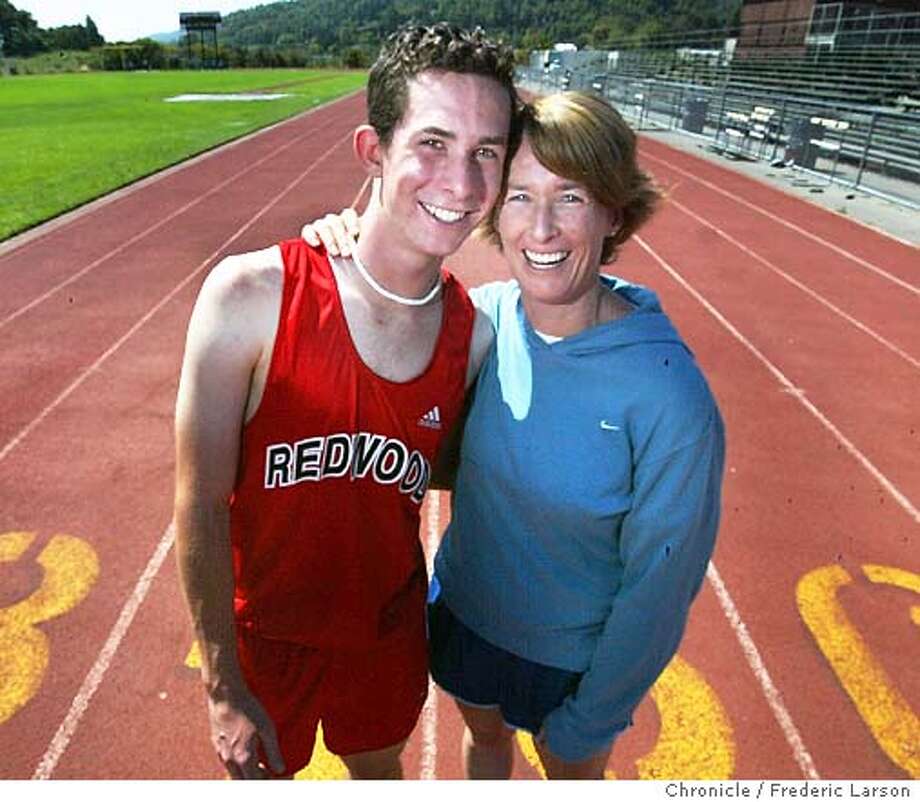
Today we chat with De La Salle HS coach John Pelster who continues to lead one of the best cross country programs in Northern California. John has been part of the DLS program for many years (also an alumni of the school) as you will see below including the last 5 years as head coach. During those 5 years, DLS has finished in the top 3 in either Division I or II including 2 NCS titles (2008 and 2010). Last year's section title in Division I was particularly impressive considering they defeated one of the best teams in NCS (College Park) who had defeated them numerous times earlier in the season. In what turned into a virtual dual meet at the section meet, DLS defeated CP 34 to 45 to land their school's 13th section title.
1) What sports did you play during your youth?
I played several years worth of baseball and basketball as a kid as part of organized sports leagues. I was always playing some sport or another as a kid with my friends. When we would hang out together, we did sports. That was one of the great things about growing up before video games conquered America.
2) What about high school and college? Highlights?
In high school I participated in basketball, cross country, and track. I played basketball my freshman year and was cut from the JV team. I ran cross country as a junior and senior. In track, I did the high jump for three season sand ran distance one season. I was a pretty mediocre athlete in high school.
I knew I wasn’t fast enough to run in college, so I looked into cycling and joined the cycling club at UCSB. My junior year, we won the regional and national championships in the team time trial. My senior year I qualified for nationals as an individual but crashed in a training race the day before we were supposed to leave. No nationals for me that year!
3) What led you to teaching and coaching?
At UCSB I minored in coaching because I thought it might be something that I’d be interested in pursuing at some point. I had no grand plans for a career in coaching, I just had a passion for athletics and it was a way to further that interest. After graduating from college, I started as an assistant cross country and track coach at DLS because I thought it would be fun to help out. That year, I also worked part-time in retail and in banking and that taught me I couldn’t make a career out of sales or finance. My personality wasn’t well suited to either of those things. In the spring of 2002, a buddy of mine told me that DLS was hiring an English teacher and I figured I’d apply for the job, not really expecting to get it. My experience as an educator was pretty limited. To my surprise, I got the job. Having my foot in the door with coaching probably helped. Being a DLS alumnus probably didn’t hurt either. 20 years later, I’m still around, so I must be doing something right.
4) Who were your mentors when you first started coaching?
Joe Stocking is a figure that I consider a mentor because he was my track and cross country coach in high school. Although I never had a chance to coach with him, I would like to think that the tone of the program is the same as it was when he was at DLS in the 70s and 80s. As much as anything it was that tone, that feeling of camaraderie, that got me into track and cross country. His influence on me and other coaches in the track
tradition at De La Salle is such that we still name our track invitational in his honor.
On a more direct level, I began my coaching career with Rico Balatti and he was a super coach—the biggest influence on my coaching without a doubt. He had a great sense of how to motivate and train runners to succeed. I spent about eight years as his assistant.
In addition, although they might not count exactly as mentors, I would say that I’ve gotten a lot from reading books by certain authors. Jack Daniels’ book was an important one for me, as well as a couple of books by Matt Fitzgerald. Tim Noakes’ book Lore of Running is another that has been influential. The Science of Sport website gives me a lot of useful food for thought as well.
5) What did you learn from your first few years of coaching that helped you develop to the coach you are today?
I learned that coaching takes patience. Every year, there are unremarkable freshmen runners who can turn into solid varsity runners, but it takes time and dedication. Some of our best runners over the years have started their running careers in the bottom third of the freshman heap.
In addition, I try to connect to runners of all abilities on the team. I may spend a bit more time with the varsity runners, but I think it’s important for all the runners to know their coach is interested in them and the progress
they’re making through the season. It’s sometimes hard with 70 boys on the team, but I try.
6) How long have you been coaching at De La Salle HS? What sports have you coached Highlights?
This will be my 21st season coaching at DLS. The 2011 season will be my 6th as a head cross country coach. I’ve also coached track in two stints at the school for a total of about ten years. In track, I’ve coached all the jumps and the hurdles as well as the distance events.
The biggest highlights would have to be the 1991 and 1996 state championships in Cross Country. Tom Prindiville’s trip to the Foot Locker National Championships in 1995 was also a big highlight. All the NCS championships have been exciting as well. My first NCS title as a head coach was a particularly proud moment.
I’m also proud of the depth of the team. I take as much pleasure from victories by the frosh/soph and JV teams as I do from the varsity team. Some of the best results I’ve had as a coach have been those times
when the team has swept (or nearly swept) an invitational or a league championship. That’s a powerful indicator as a coach that something good is going on.
There are a lot of subtle highlights too. For example, when a guy like Brendan Scanlon shows up as a 9th grader and doesn’t even break 14 minutes on an easy 2-mile course and runs 15:12 as a senior at Mt. SAC,
that’s an important highlight. There are things like that every year (maybe not quite that dramatic) that make coaching so much fun.
7) You are also a teacher at De La Salle. What do you teach and what are the high points for you in that part of your work?
I teach English at DLS. I’ve taught everything from freshmen to seniors. The high points of teaching are the moments when I can see that students are enjoying the literature we’re studying, or when they realize that they can bring their powers of analysis to bear on a text and make sense of it. Another high point of teaching is when a student in class enjoys learning for its own sake and not for a grade or a college application. That sort of intrinsic motivation seems to be a bit more scarce now than when I began teaching.
The other thing that I like about teaching and coaching at DLS is that we genuinely try to educate the whole person, and athletics is one of the things that we use to accomplish that mission. Sure, the kids like sports for a variety of obvious reasons, and no one goes into a sport to learn life lessons, but I believe that we do a good job of using athletics as a means and not simply an end in itself.
8) You coach at a school that has achieved a lot of athletic success. What do you feel are the advantages of coaching at such a school?
This is a tough question because I think there is a common misconception about De La Salle. Most people probably think that it’s just a sports school and that’s all that we care about, and that couldn’t be further from the truth. Yes, there’s an expectation to succeed at DLS, but we want the boys at school to be successful men, not just successful athletes. The coaches are as concerned about the kids being good citizens as they about being good athletes.
On a sporting level though, the athletes at De La Salle are quite aware of the winning tradition of the school. That expectation to succeed I mentioned earlier translates into a certain level of motivation in training. There’s a combination of competition and support between members of various teams that pushes the kids to do their best. Moreover, because there is a tradition of success like at DLS, I think the runners want to run well to uphold the tradition that’s been established by athletes before them. There’s a sense that the kids don’t want to be the team that failed.
Again, the thing that I’d like to mention however is that the success of the teams at the school are the product of a process. Honestly, only a very small number of kids show up at DLS as star athletes, and everyone has to learn a lot about self-sacrifice and self-discipline on the way to becoming part of that winning tradition. It’s a cliché, I know, but at DLS the focus is absolutely on the team and not the individual.
9) What are your expectations from your runners during the summer before the season begins?
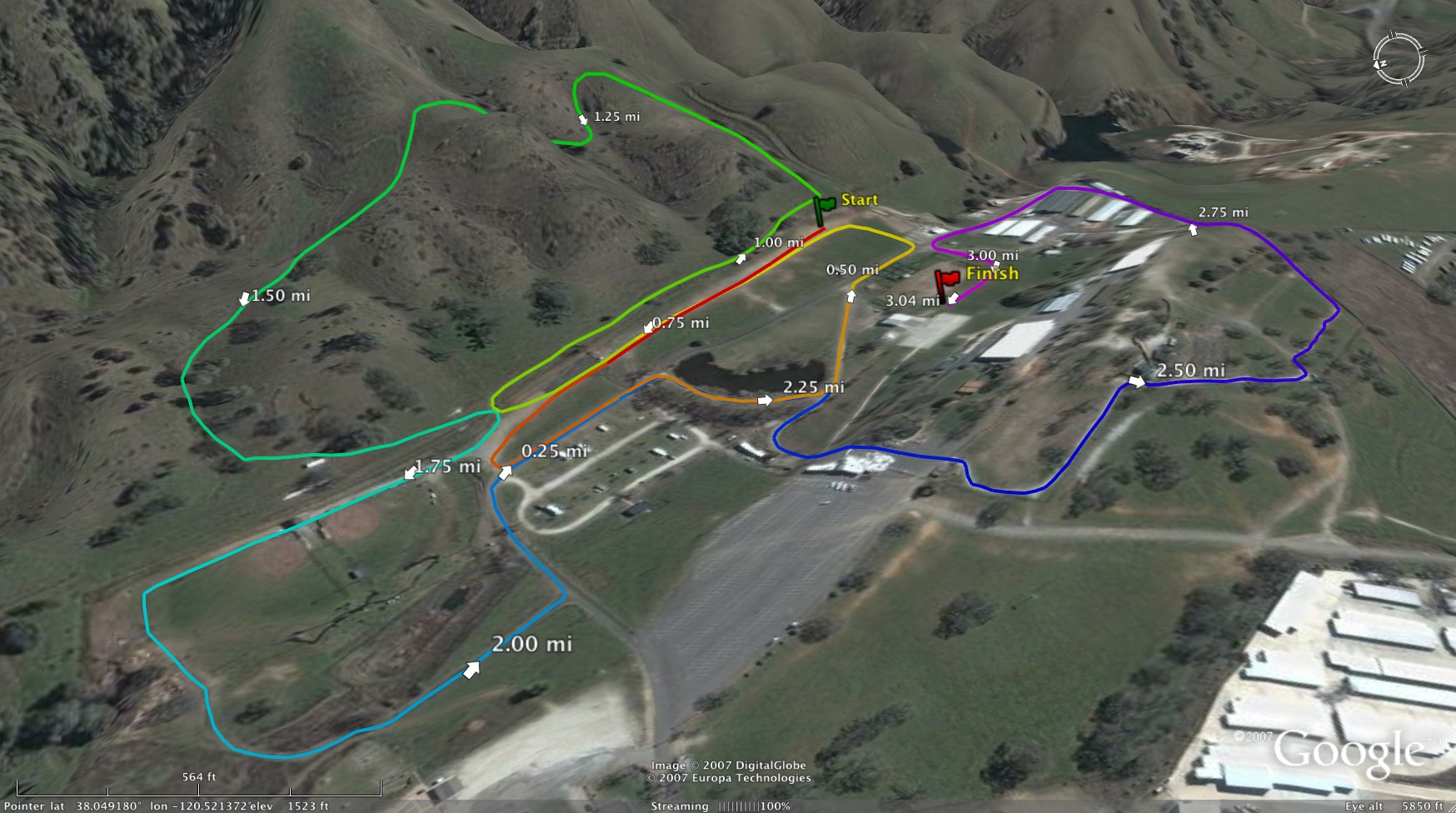
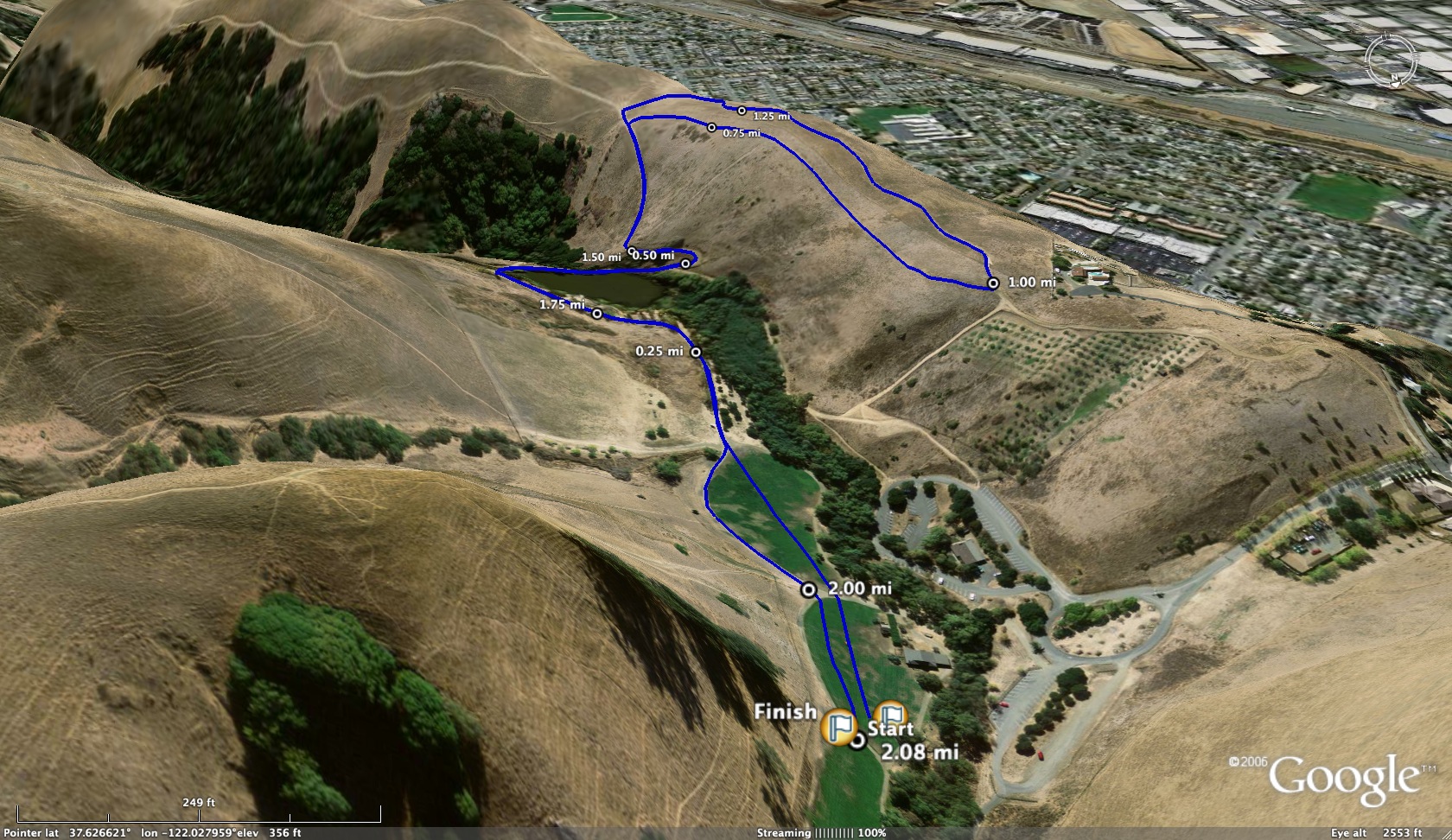
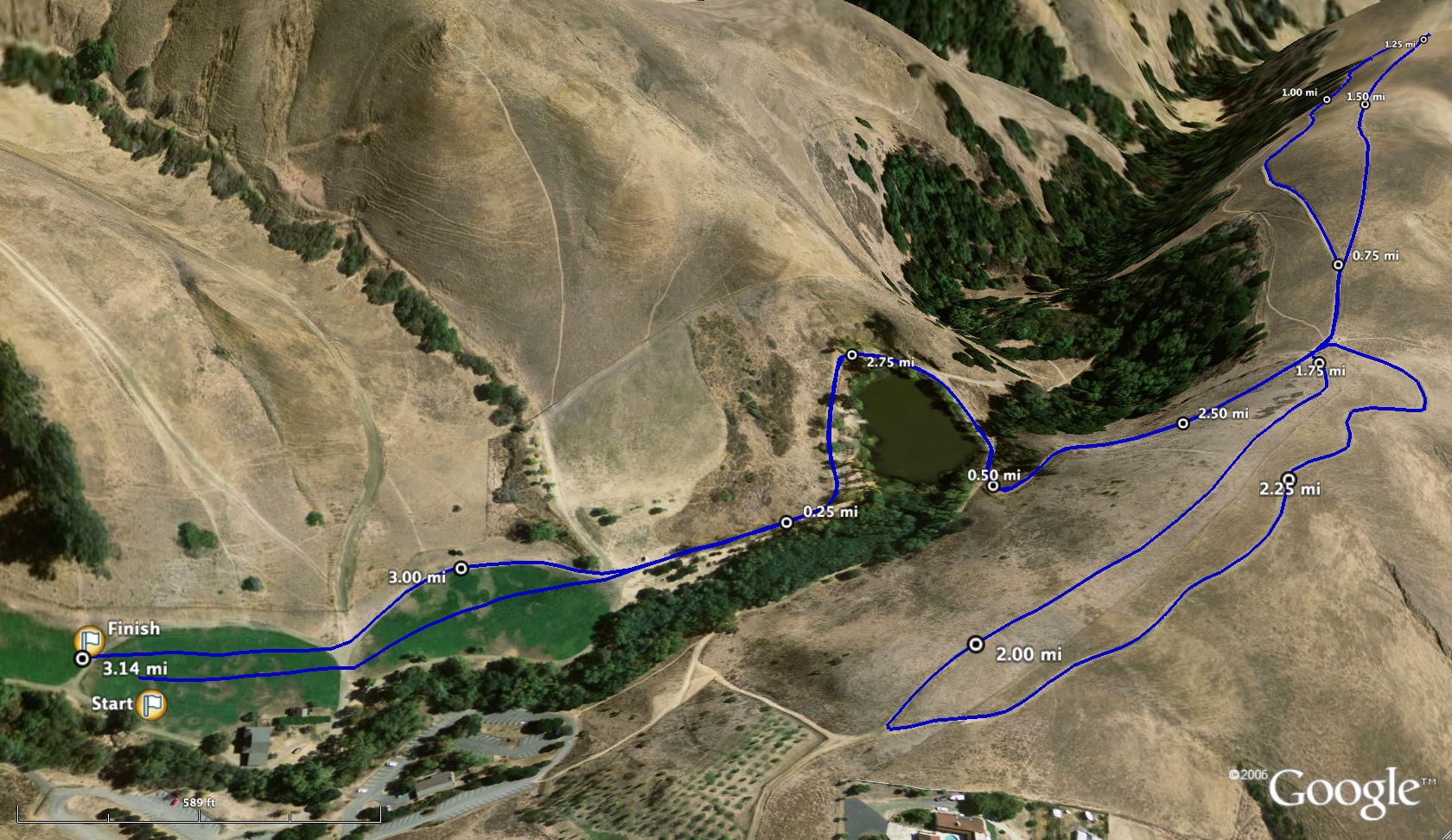
The most important thing for the runners to do is run! I don’t ask them to do very much in the way of structured workouts. And we’re not a high mileage team. In the summer, seniors average 50-60 miles per week, but the mileage we run per week fluctuates. Any “work” we get done is typically done in the form of hills. We try to visit a variety of locations for our summer runs and many of them have a significant vertical aspect to their elevation profile. I try to schedule in a pretty long run once per week from the middle of the summer to the end. I want sophomores and older to be able to run for an hour comfortably. Toward the end of the summer, I ask the boys to spend a mile or so per week at or near their 5k goal pace, just to remind their legs how to run faster than distance pace. In addition, each year I expect the kids to run more than the summer before, so there is a progressive increase in the workload over the course of four years.
10) As you start to put a season plan together, what do you feel are the components that are key to the success of your team?
There are mental and physical components to the success of any team. First, I think that it’s important for each team and the members of the team to define their goals for the upcoming season. Sometimes that’s
something I help with, and sometimes they don’t need any help. Those goals are integral to a team’s success. The most successful teams we’ve had have also been good friends with one another; they stay in touch with one another in college and beyond. I think that those friendships are important to a team’s success because the kids aren’t just running for themselves in a race. Sometimes a runner can dig a little deeper when it’s for the team.
On a physical level, we take a pretty conventional approach to the arrangements of workouts during a season. We begin with slower, longer repeats and tend toward shorter, quicker repeats as the season progresses. That’s a bit oversimplified but generally true.
11) Besides changing the division cutoffs to make the field more level at the state meet, what is it going to take for teams from up north to consistently compete with the SS teams in the larger divisions?
One thing that Southern California has more of than we do are big clinics. We have some in Northern California that are really good—the round table discussions Chris Puppione and you have established and Tim Hunter’s clinic at San Ramon Valley High School being two examples—but in Southern California, they have the whole LA84 series of clinics that help to disseminate good coaching knowledge to a large number of coaches who can then put that to use in their programs. Each program gets a little better and in order to be competitive and keep up, all the teams need to work a little harder and smarter. That pushes the bar higher and higher. We have some outstanding teams and coaches in Northern California, but maybe they’re spread out a little more. Tougher competition makes tougher, better athletes. In the last few years, DLS moved into the EBAL and that move has made us improve in order to be competitive in such a deep league.
12) Anything else you would like to add.
Perhaps a little known fact I’d like to share. The Hawaiian word “imua” that shows up from time to time in cross country was first used locally at De La Salle. Ron Stazkow, the first track and cross country coach at De La Salle in the 60s and 70s was from Hawaii and he brought that term to the school. It’s been a part of our cross country tradition for 40 years.
Thank you very much for your time John. AJC